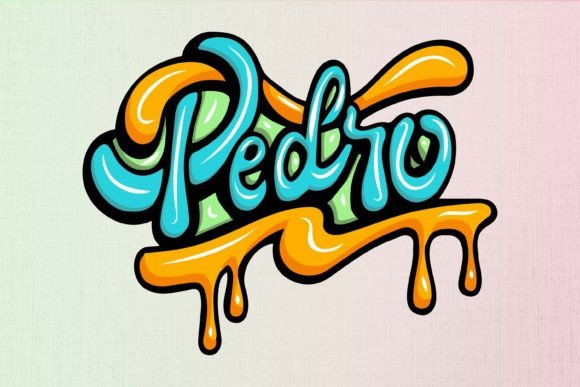
Pedro: Graffiti Lettering for Real Projects
As a designer who’s spent years working with machine embroidery designs, I always start by asking: does this design feel like it was made to be stitched? Pedro, a graffiti lettering typography art illustration, offers a bold and expressive style that could work well in the right context. But before jumping into using it for real projects, there are several factors to consider.
The First Impression: Bold, Edgy, and Unapologetic
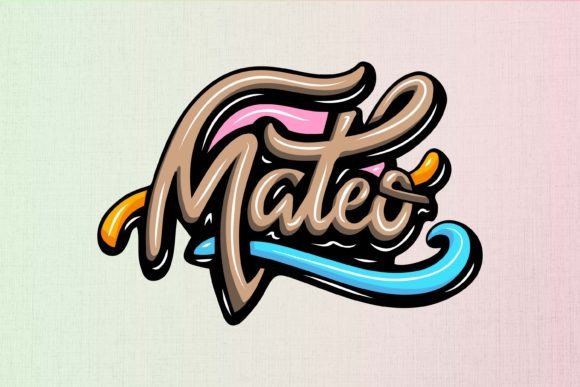
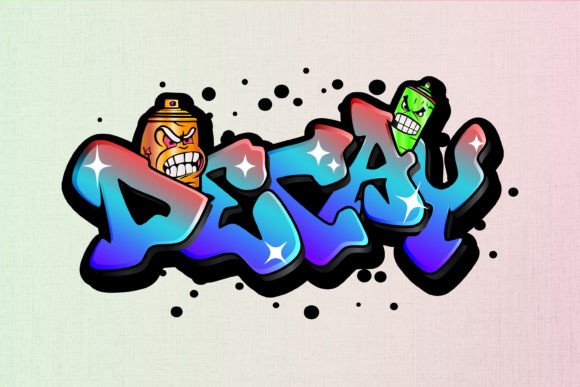
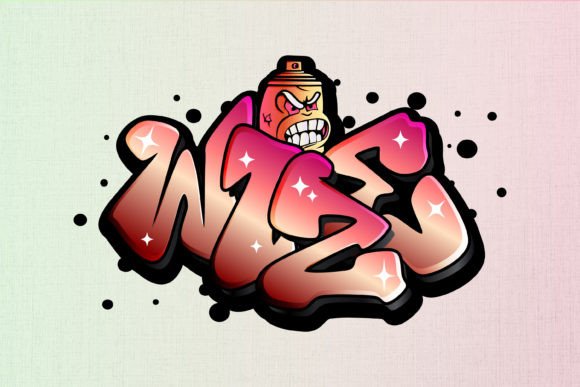
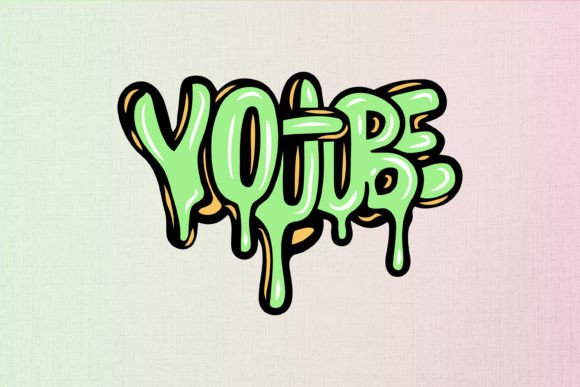
Pedro immediately grabs attention with its graffiti-inspired aesthetic. The lettering is sharp, the layout feels intentional, and the overall design has a raw, urban energy. It’s not subtle—this is a design that wants to be seen. The shapes are clean, the lines are confident, and the visual personality is unmistakably modern. This isn’t a design for something delicate or minimalist; it’s meant to stand out.
If you’re looking for something that can make a statement on a custom embroidered tote bag, sweatshirt, or baby onesie, Pedro might be a good fit. Its style works especially well on casual, streetwear-inspired apparel, where the edginess of the design can complement the overall look.
Real-World Use: Where Pedro Shines
When I think about practical use cases, Pedro fits best on larger, flat surfaces where the details can be clearly seen. A tote bag design, for example, would give the design enough space to breathe without getting lost in small areas. Similarly, a sweatshirt or apron with a large front panel would allow the graffiti style to shine through.
For personalized gifts, such as embroidered patches or holiday-themed items, Pedro could add a unique touch. However, its boldness means it might not be the best choice for something more traditional or understated. It’s also worth considering how the design translates to different fabric types. On smooth, lightweight materials, it should look great, but on textured or stretchy fabrics, the details might not come through as clearly.
Where Pedro Needs Careful Handling
There are a few situations where Pedro might not perform as well. For instance, if you’re working with small hoop sizes, the design might be too large to fit comfortably. That could lead to stitching issues or require multiple hooping, which complicates the process.
On thin or stretchy fabrics, the design might not hold up well. You’ll need to use the right stabilizer to prevent puckering or distortion. Dark fabrics could also be a challenge—while the design itself is bold, the contrast between the lettering and the background needs to be strong enough to be visible.
For products that will see frequent washing, such as baby clothes or kitchen towels, the durability of the stitches becomes important. If the design has dense stitch areas or intricate details, it might be prone to fraying over time. Testing the design on scrap fabric first is always a good idea to ensure it holds up under real-world conditions.
Visual Appeal and Customer Perception
When it comes to visual appeal, Pedro has a lot to offer. Its graffiti style is eye-catching and could help your handmade products stand out in a crowded market. As an Etsy seller or small shop owner, this kind of design can add value to your listings by offering something unique and trendy.
However, customer perception matters. Some buyers might find the design too aggressive or unsuitable for certain occasions. It’s important to understand your target audience and whether they’d appreciate the edgy look. If you’re selling to a younger demographic or a niche market that values streetwear aesthetics, Pedro could be a hit. But for more traditional or family-oriented products, it might not be the best fit.
Practical Designer Notes: What to Watch For
Before committing to a project, here are a few things to keep in mind:
- Test on scrap fabric to see how the design looks and stitches.
- Check thread color contrast against the fabric to ensure visibility.
- Review stitch density to avoid overly dense areas that might cause problems.
- Confirm hoop size to make sure the design fits comfortably.
- Inspect small details to ensure they’re clear and legible.
- Test in black and white mockups to see how the design looks without color.
- Compare light and dark backgrounds to ensure the design works in both.
- Use proper stabilizer for the fabric type you’re using.
- Check licensing before selling finished items or digital products.
These steps can help you avoid surprises and ensure that Pedro looks great when it’s stitched onto the final product.
Final Thoughts: Pedro in Action
Overall, Pedro is a design that has potential—but it’s not one-size-fits-all. Its bold, graffiti-inspired style makes it ideal for certain projects, like custom apparel, tote bags, or holiday gifts. But it requires careful consideration when it comes to fabric choice, hoop size, and stitch density.
If you’re an embroidery designer, small business owner, or craft seller looking for something unique and expressive, Pedro could be a valuable addition to your design library. Just remember to test it thoroughly and use it where it will have the most impact. With the right approach, it could become a standout piece in your collection.