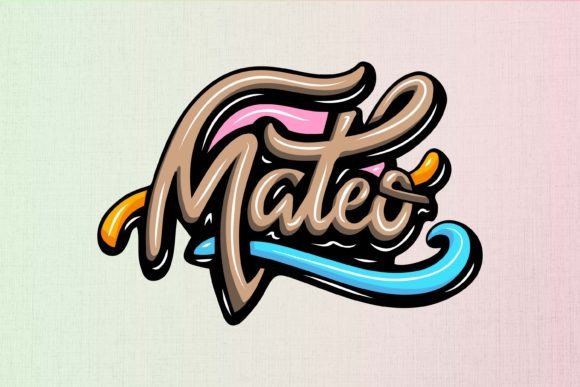
Mateo: Graffiti Lettering for Real Projects
As a designer who’s spent years working with machine embroidery designs, I always approach new files with a critical eye. Mateo isn’t just another graffiti lettering design—it’s a bold, expressive piece that carries the energy of street art into the world of embroidery. But how does it hold up in real-world applications? Let’s break it down.
The First Impression: Bold, Urban, and Unapologetic
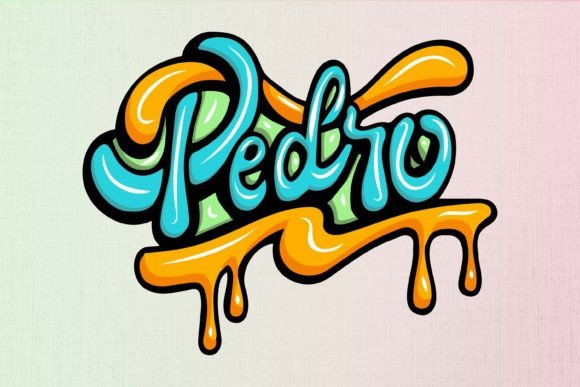
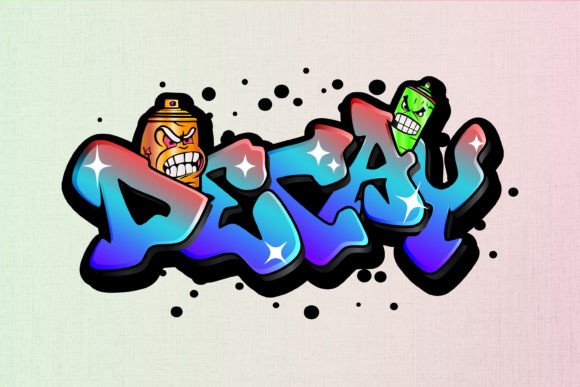
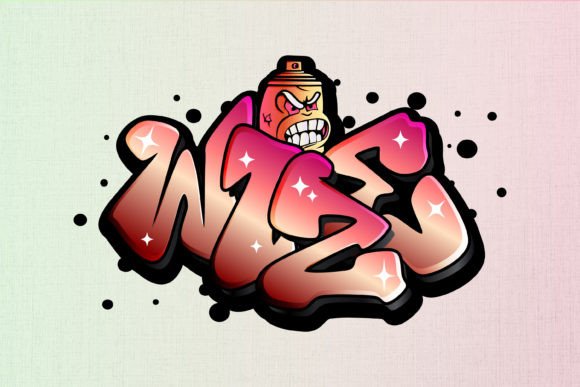
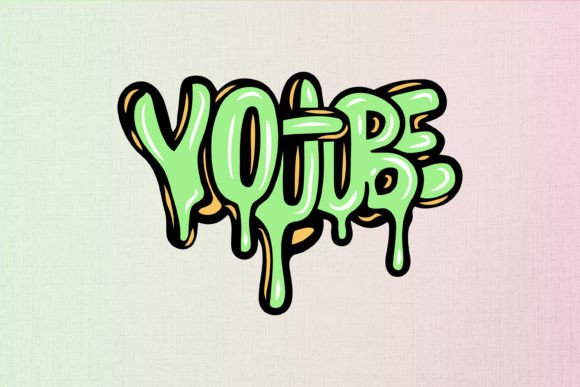
Mateo immediately grabs attention with its raw, graffiti-inspired aesthetic. The typography is sharp, the layout feels dynamic, and the overall vibe screams urban creativity. It’s not subtle, but that’s part of its charm. This design thrives in environments where edginess and personality matter—think custom t-shirts, tote bags, or even baby onesies with a twist.
The level of detail is impressive, especially for a graffiti-style piece. The lettering has depth, and the spacing feels intentional. It’s clear this wasn’t just slapped together—it was thoughtfully designed to stand out.
Real-World Embroidery Performance
When I first saw Mateo, I imagined it on a sweatshirt or a tote bag. But what happens when you actually stitch it? Let’s walk through some practical scenarios.
For a custom apparel project, Mateo works well on medium-weight fabrics like cotton or canvas. The design’s size and complexity mean it fits best in a medium to large hoop. If you’re using a smaller hoop, you’ll need to split the design, which could affect the flow of the letters. That said, if you’re comfortable with splitting files, it’s manageable.
On a sweatshirt or t-shirt, Mateo looks great. The saturation of the design gives it a strong visual presence without being overwhelming. It’s perfect for a statement piece that stands out in a crowd. For a tote bag design, it adds a unique touch that makes the product feel more personal and handmade.
But there are limitations. On thin or stretchy fabrics, the design might not sit as nicely. You’ll need to use a good stabilizer to prevent puckering or distortion. Dark fabrics also require careful thread color selection—light-colored threads can make the design look washed out.
Where to Use Carefully
Mateo isn’t ideal for every project. If you’re working on small hoop sizes, like for a cap or a patch, this design might be too big. You’d have to scale it down, which could result in loss of detail. Similarly, if you’re working on a curved surface, the design’s straight lines might not follow the curve as smoothly as you’d like.
For baby items or delicate fabrics, the density of the stitches could be an issue. Mateo uses a mix of satin and fill stitches, which can be heavy. If you’re making something like a onesie or a blanket, you might want to adjust the stitch density to keep it soft and comfortable.
Also, the intricate corners and tight spaces in the lettering could be challenging for beginners. If you’re not used to handling detailed designs, you might find yourself adjusting the file or adding extra stabilizer to ensure the stitching comes out clean.
Impact on Visual Appeal and Customer Perception
Mateo has a strong visual impact. When stitched correctly, it adds a professional, artistic flair to any product. Whether it’s a personalized gift or a boutique item, it can elevate the perceived value of your work.
Customers often respond positively to unique, handcrafted elements. A design like Mateo can make your products stand out in a crowded market. It’s perfect for Etsy sellers or small shop owners looking to offer something different from mass-produced options.
But it’s important to manage expectations. If the design doesn’t come out as expected, it could lead to customer dissatisfaction. That’s why testing is key. Always do a test run on scrap fabric before committing to a full project.
Practical Designer Notes
Before using Mateo in a commercial project, make sure to check the licensing terms. Even though it’s a digital embroidery file, the rights to sell finished products or resell the design can vary. Confirm that it’s suitable for your intended use case.
Test the design on different thread colors and fabric types. Matte black on a white t-shirt looks great, but on a dark fabric, you might need to choose a contrasting color. Also, check how it looks in black and white mockups to ensure it still holds up without color.
If you’re planning to sell this as a digital product, consider how it will appear in printable mockups. The resolution and clarity of the design matter—especially if customers are using it for their own projects.
Conclusion: A Design That Speaks Volumes
Mateo is more than just a graffiti lettering design—it’s a versatile, high-impact piece that can fit into a variety of embroidery projects. From custom apparel to personalized gifts, it brings energy and style to any finished product.
It’s not without its challenges, but with proper preparation and attention to detail, it can become a valuable addition to your design assets. Whether you’re an Etsy seller, a craft business owner, or a creative entrepreneur, Mateo offers a fresh, modern option that can help you stand out in the market.