Hacker Graphics for T-Shirt Designs
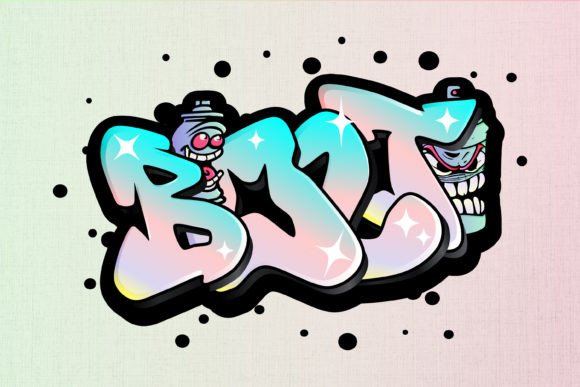
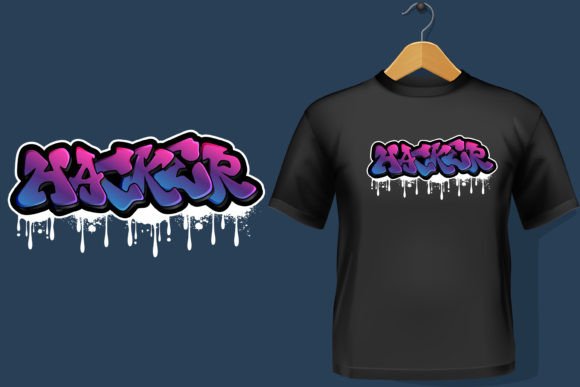
As a brand designer and content marketer, I always look for creative design assets that can elevate a campaign without overwhelming the audience. Hacker, a graffiti lettering typography art illustration, offers a bold and dynamic visual language that can be both powerful and versatile when used correctly. This graphic design asset is ideal for small business branding, digital product promotion, and social media graphics, especially in the realm of t-shirt designs.
The First Impression: Bold and Unapologetic
Hacker immediately commands attention with its graffiti-inspired style. The lettering feels raw and energetic, making it perfect for brands that want to project a sense of rebellion, creativity, or streetwise flair. It’s not subtle, but that’s part of its charm. This design asset works well for audiences who appreciate modern design, urban aesthetics, or alternative lifestyles. It brings an emotional tone that’s edgy yet artistic, which can resonate strongly with younger demographics or niche markets.
However, it’s important to consider the context. Hacker may not fit into more formal or traditional branding, but it thrives in casual, lifestyle, or event-driven marketing materials. Its energy can help create a stronger first impression, especially when used in hero graphics or campaign headers.
Real-World Applications in Branding and Marketing
In real marketing situations, Hacker can serve as a strong visual anchor. For example, if a small business is launching a new line of t-shirt designs, this asset could be used as a central element in social media graphics, email banners, or even packaging inserts. Its graffiti style adds a unique touch that differentiates the brand from competitors.
When used in logo design, Hacker can add a layer of personality, especially for brands targeting creative or youth-oriented audiences. In packaging design, it can act as a standout accent that draws the eye and reinforces brand identity. For product labels, it can bring a fresh, modern feel that aligns with contemporary consumer preferences.
Hacker also excels in editorial design and content marketing. Whether it’s a blog header, a Pinterest pin, or a Canva template, this design asset can add visual interest without cluttering the layout. It supports a clear visual hierarchy, ensuring that the main message remains prominent while still allowing the design to stand out.
Supporting Marketing Goals with Visual Impact
One of the key benefits of Hacker is its ability to strengthen a brand’s first impression. In a crowded digital space, having a design that grabs attention is crucial. Hacker does this by introducing a strong, memorable visual element that can enhance audience trust and recognition.
It also helps in creating consistent branding across multiple platforms. When used in social media graphics, website headers, or email campaigns, it ensures that the brand maintains a cohesive look. This consistency is vital for building a professional appearance and fostering a deeper emotional connection with the audience.
For small business branding, Hacker can be a game-changer. It allows entrepreneurs to create visually compelling content without needing extensive design resources. As a printable design or a digital product, it can be easily integrated into content kits, lead magnets, or promotional materials.
Best Uses for Hacker in Creative Projects
Hacker shines in scenarios where visual impact is key. It’s ideal for hero graphics, campaign headers, and product launch visuals. As a design bundle, it offers flexibility for use across various formats, including SVG design, PNG design, and AI file versions. This makes it a valuable addition to any content creator’s toolkit.
It also works well in branded templates, social media covers, and packaging accents. For event promotions or editorial layouts, Hacker can add a layer of creativity that sets the tone for the entire campaign. In content bundles or digital ads, it can serve as a decorative brand element that enhances the overall aesthetic.
While Hacker is a strong design asset, it’s not suitable for every situation. In formal corporate branding, its aggressive style may clash with the desired professionalism. Similarly, in dense information layouts or small mobile graphics, it could become distracting rather than helpful.
Low-contrast backgrounds might make the design less visible, and in overly minimal brands, it could overwhelm the composition. Text-heavy ads or designs where the main message needs to take precedence should avoid using Hacker as a dominant element.
Practical Designer Notes for Using Hacker
Before integrating Hacker into a campaign, it’s essential to test it with the brand’s color palette. Ensure that it complements the existing visuals and doesn’t clash with the intended mood. Check how it looks in black and white, as this can affect its readability and impact.
Place it inside real campaign mockups to see how it interacts with other elements. Preview it on mobile screens to confirm that it remains legible and effective at smaller sizes. Compare it against competitor visuals to ensure it stands out in the market.
Consider how it pairs with different font styles—serif, sans serif, script, handwritten, or display fonts. Review spacing and balance to maintain a clean, professional look. Most importantly, confirm the commercial license before using it in paid campaigns, client work, or business branding.
Why Hacker is a Strong Design Asset
Hacker is more than just a graffiti lettering typography art illustration—it’s a versatile tool that can support a wide range of marketing goals. Whether you’re working on t-shirt designs, digital ads, or editorial layouts, this graphic design asset offers a unique blend of energy and creativity.
For content creators and small business owners, Hacker provides an easy way to add visual appeal without sacrificing clarity or professionalism. It’s a great choice for those looking to build a strong brand identity, improve audience engagement, or create memorable campaign visuals.