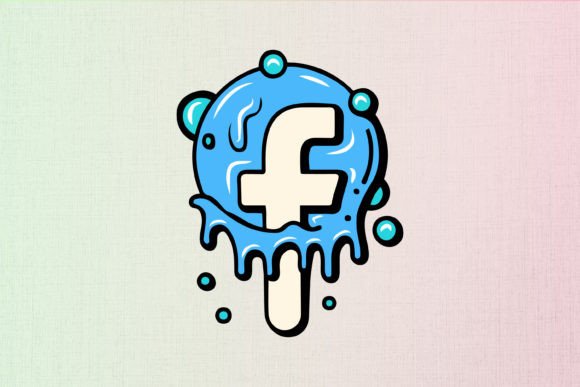
Facebook Graffiti Art Review
As a designer who’s spent years working with machine embroidery designs, I’ve seen my fair share of digital art files. But when I came across Facebook Graffiti Art, I knew it had potential—but also some considerations for real-world use.
The First Impression: Bold and Urban
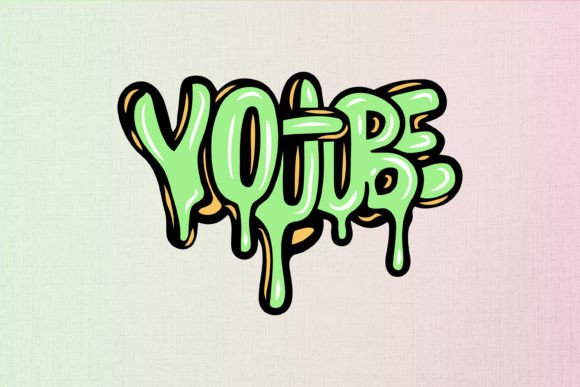
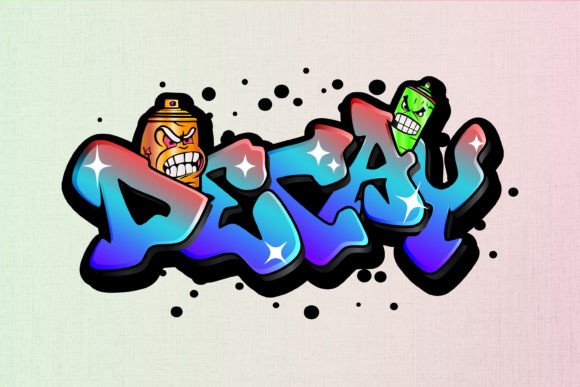
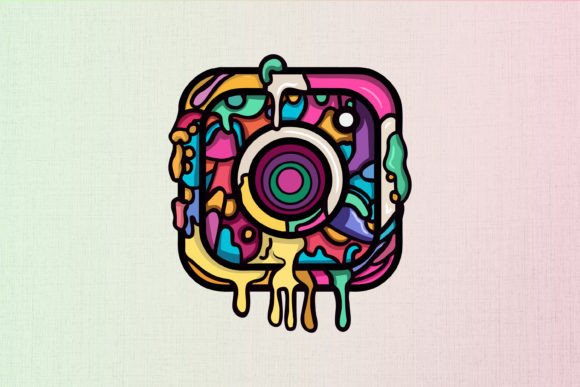
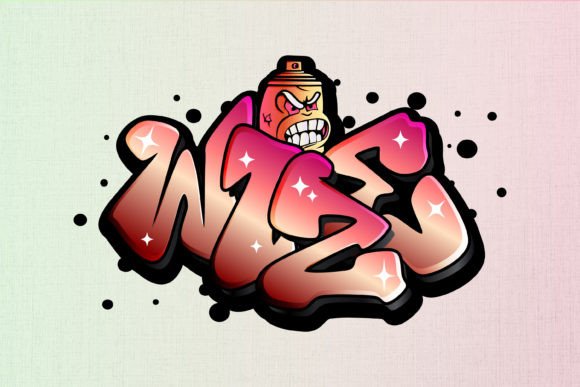
Facebook Graffiti Art immediately grabs attention with its vibrant, edgy aesthetic. The design feels like a modern take on street art, blending bold lines, dynamic shapes, and a sense of movement that makes it stand out. It’s not subtle, but that’s part of its charm. The layout is clean enough to work on a variety of projects, though it leans toward larger formats rather than intricate details.
The visual personality of the design is energetic and youthful. It’s perfect for a custom embroidered tote bag or a sweatshirt that needs a statement piece. But it’s not the kind of design you’d want on a baby onesie unless you’re going for a very specific, trendy look.
Real-World Embroidery Use Cases
When I think about where Facebook Graffiti Art would fit best, I picture it on items like t-shirts, tote bags, or aprons—pieces that can showcase the design without being too cramped. It’s a strong choice for a custom apparel project, especially if you’re targeting a younger demographic or a more urban, casual style.
For small business owners or Etsy sellers, this could be a great addition to a collection of digital embroidery files. It has the potential to become a popular item for personalized gifts, holiday decorations, or even as a printable mockup for clients to visualize how the design would look on their chosen fabric.
However, it’s important to note that the design isn’t ideal for everything. If you’re planning to use it on a baby onesie or a delicate fabric, you might want to reconsider. The complexity of the design could lead to issues with stitch density or thread color contrast, especially on thin or stretchy materials.
Where to Be Careful: Practical Considerations
Facebook Graffiti Art works well on most standard fabrics, but there are a few situations where it might not perform as expected. For example, if you’re using a small hoop size, the design could get cut off or distorted. You’ll need to make sure your hoop is large enough to accommodate the entire artwork without any cropping.
On textured or dark fabrics, the design may not show up as clearly. That’s where thread color contrast becomes crucial. A light-colored thread on a dark background might not pop the way you expect, so it’s worth testing on a sample before committing to a full project.
If you’re planning to use the design on curved surfaces like caps or hats, you’ll need to adjust the layout slightly. The design is flat, so it might not sit well on a rounded surface without some reworking. Similarly, if you’re looking to add it to a layered garment, you’ll have to consider how the design interacts with other elements.
Visual Appeal and Stitching Clarity
One of the strengths of Facebook Graffiti Art is its ability to maintain clarity even at larger sizes. The detail level is sufficient for most embroidery projects, especially when using a satin stitch or fill stitch to bring out the bold shapes. However, the design isn’t suited for extremely detailed corners or tiny lettering, which could become lost in the stitching.
From a customer perspective, this design has a high chance of standing out. It’s unique, eye-catching, and fits well with current trends. But it’s also important to consider how it will be received in different contexts. A handmade product with this design might appeal to a niche market, but it could feel overwhelming for more traditional buyers.
Design Assets for Commercial Use
As an embroidery file, Facebook Graffiti Art comes with multiple formats—AI, EPS, SVG, and PNG. This versatility is a big plus, especially for designers who work with different software or need to create printable mockups. The 300dpi resolution ensures that the design looks sharp in digital previews, which is helpful when presenting to clients or showcasing on platforms like Etsy.
But before using it in commercial projects, it’s essential to check the licensing terms. While the product description doesn’t mention restrictions, it’s always wise to confirm whether the design can be used for resale or if there are any limitations on how it can be applied.
Embroidery Designer Notes: Best Practices
Here are a few practical tips I’d recommend when working with Facebook Graffiti Art:
- Test on scrap fabric first to see how the design translates in real life.
- Check thread color contrast to ensure the design stands out on your chosen fabric.
- Review stitch density to avoid overcrowding or distortion.
- Confirm hoop size to make sure the entire design fits without being cropped.
- Inspect small details to ensure they’re visible and well-defined.
- Test in black and white mockups to see how the design looks without color.
- Compare on light and dark backgrounds to determine the best application.
- Use proper stabilizer for tricky fabrics or complex designs.
- Check for commercial use rights before selling finished items or digital products.
Final Thoughts: A Statement Piece with Purpose
Facebook Graffiti Art is a design that demands attention. It’s not for every project, but when used correctly, it can elevate a custom apparel piece or a small shop product with a bold, modern flair. It’s a good choice for those looking to add a unique touch to their embroidery project or for craft business owners wanting to offer something fresh and trendy.
Just remember, not all designs are created equal—and Facebook Graffiti Art is no exception. With the right approach, it can be a powerful addition to your design assets. But without careful consideration, it might not deliver the results you expect.